
A Sunday on the Piedmont Farm Tour: Mushrooms, Goats, Strawberries, and a Better Look at Local Food
By Sydney
We finally made it to the Piedmont Farm Tour, spending a spring Sunday visiting five farms near Raleigh for mushrooms, goats, strawberries, local food, and a closer look at the work behind sustainable agriculture in North Carolina.
At a glance
Focus
North Carolina
Read time
11 min read
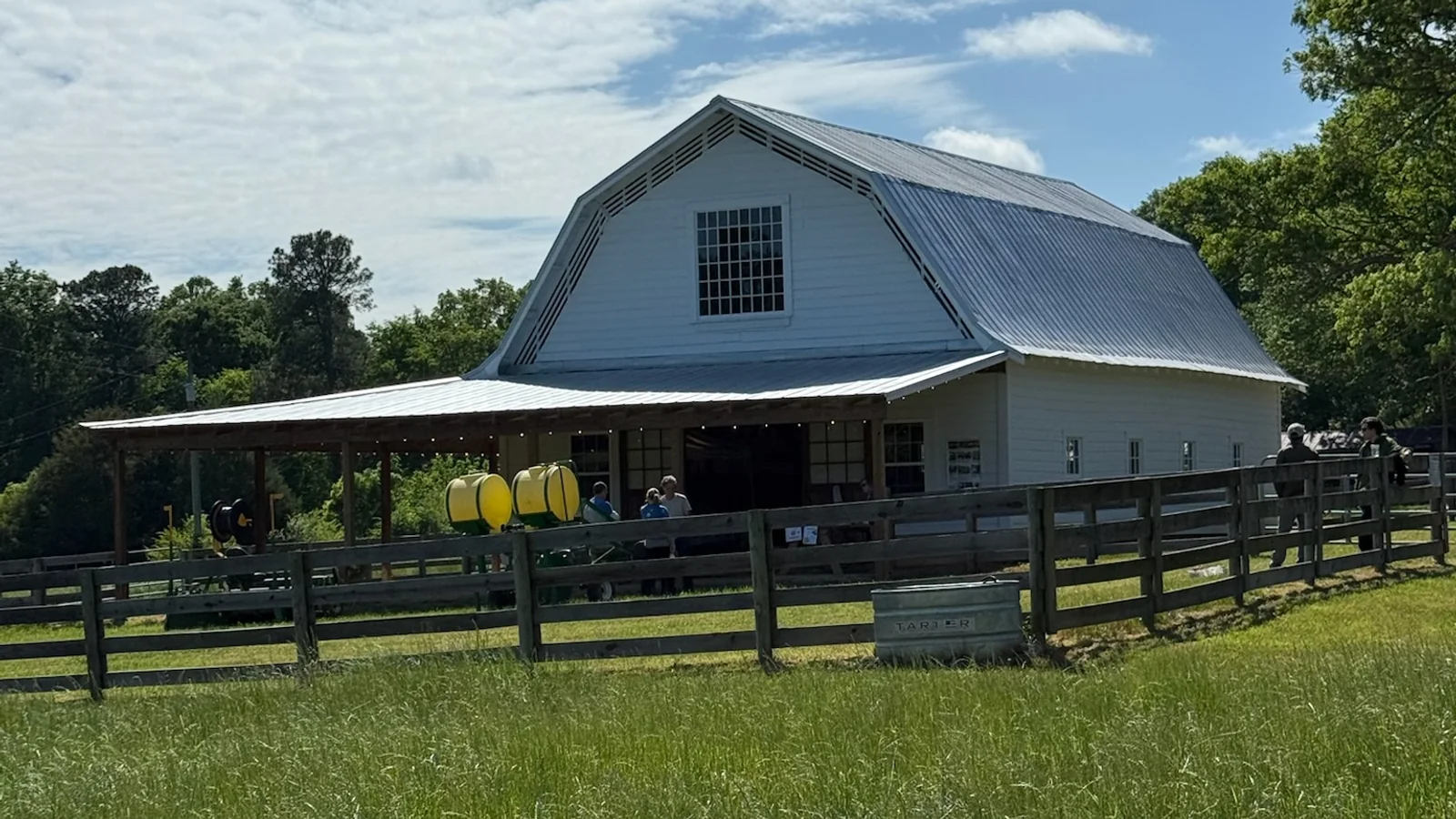
I had heard about the Piedmont Farm Tour for years before I actually made it there.
Some years we were out of town. One year we went to Brewgaloo instead. It was one of those local events that kept sitting in the back of my mind as something I wanted to do eventually, especially because so much of my work and personal interest tends to circle back to local food, sustainability, and agriculture.
This year, the timing finally worked. And it felt especially worth making happen because my friend Angelika is moving back to Germany next year, so this was likely her last chance to experience it while living here.
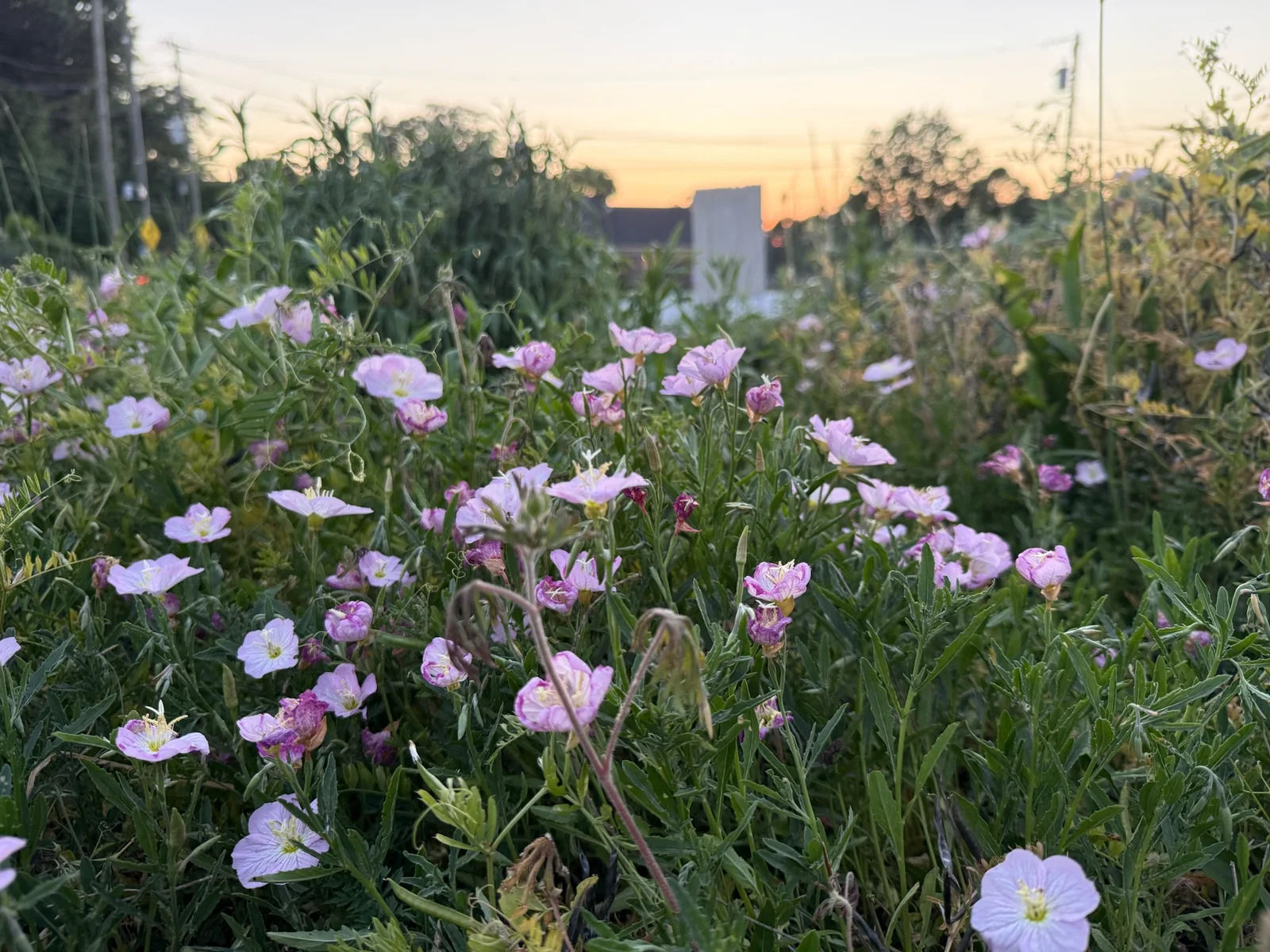
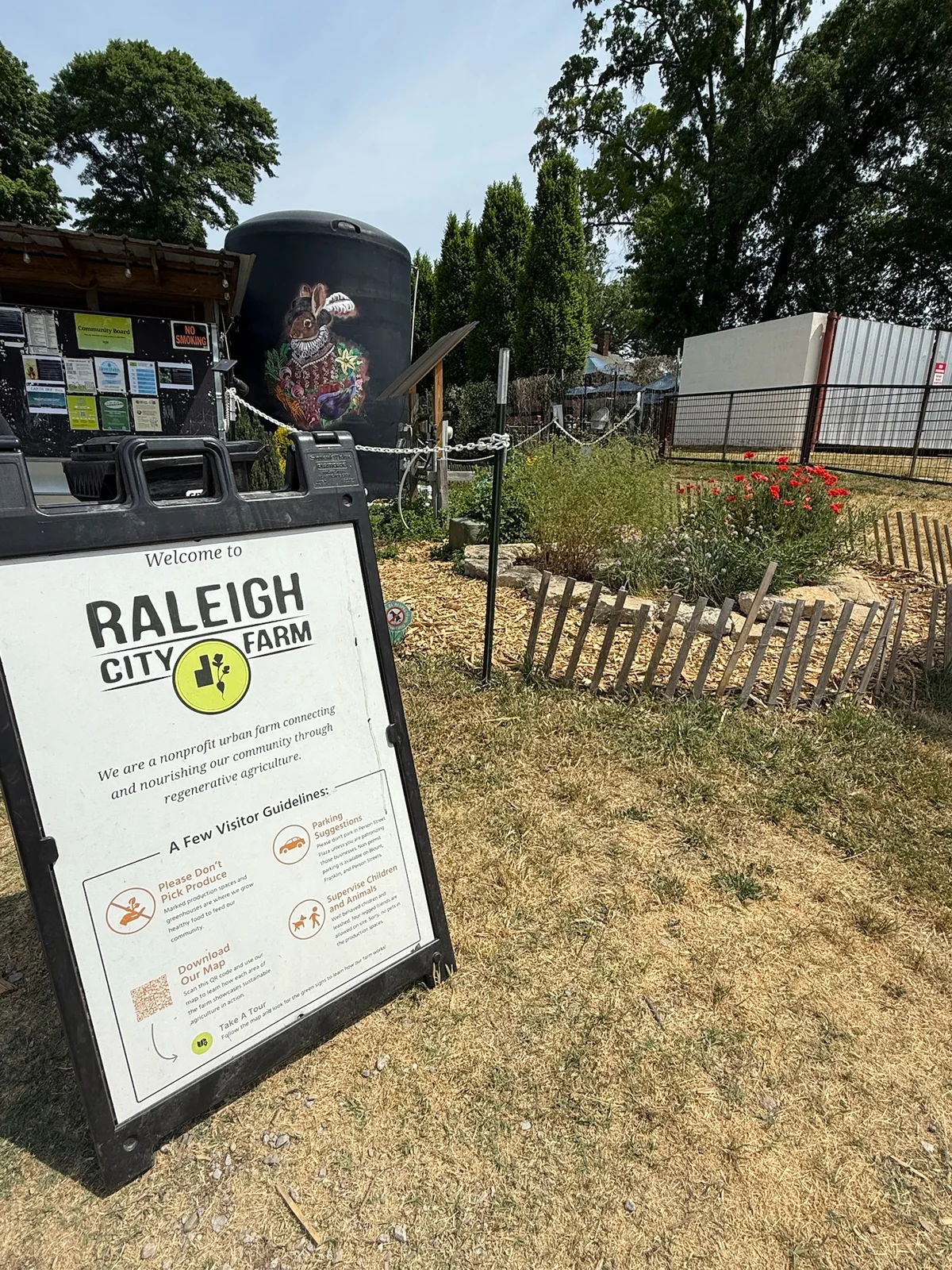
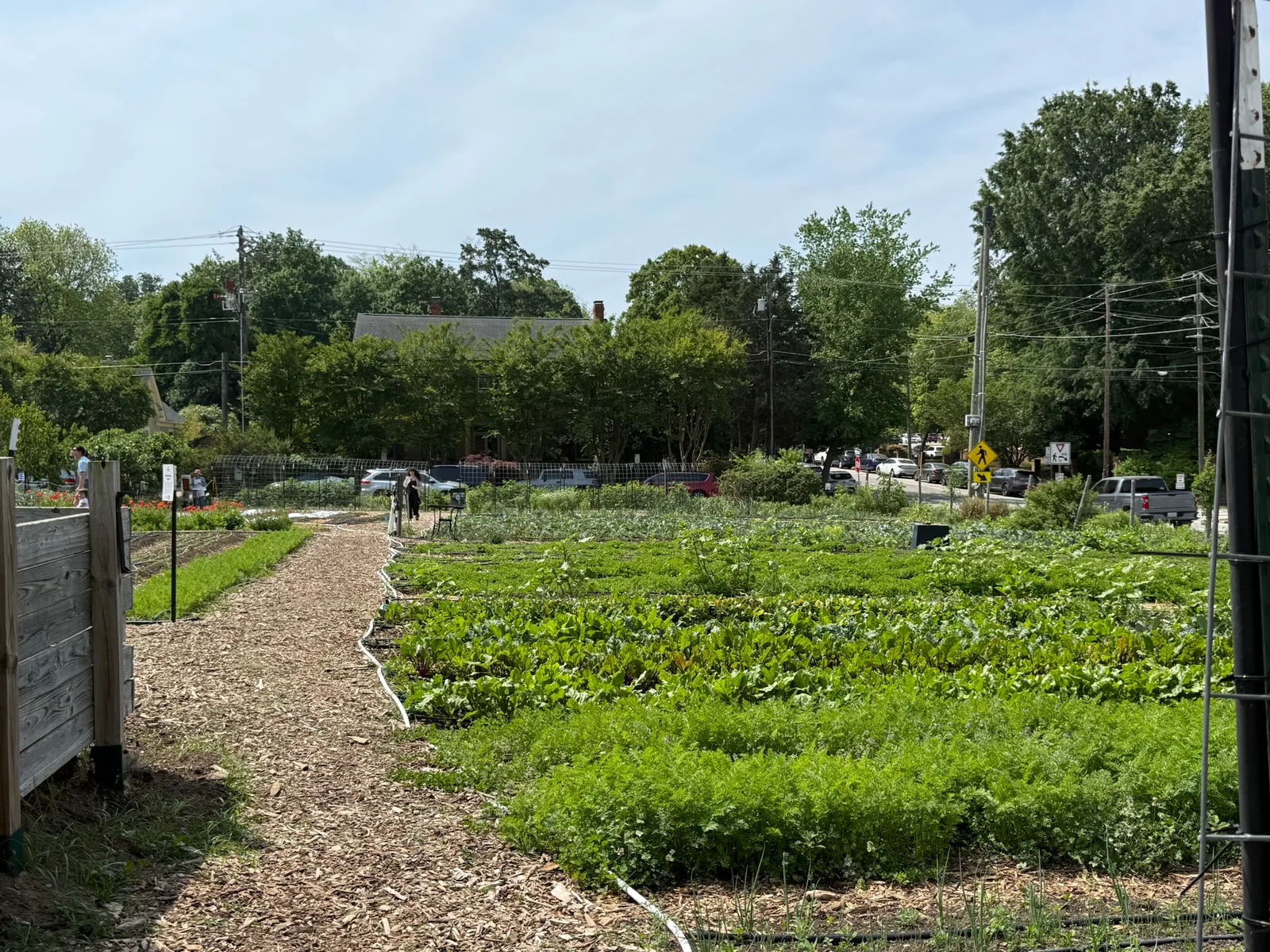
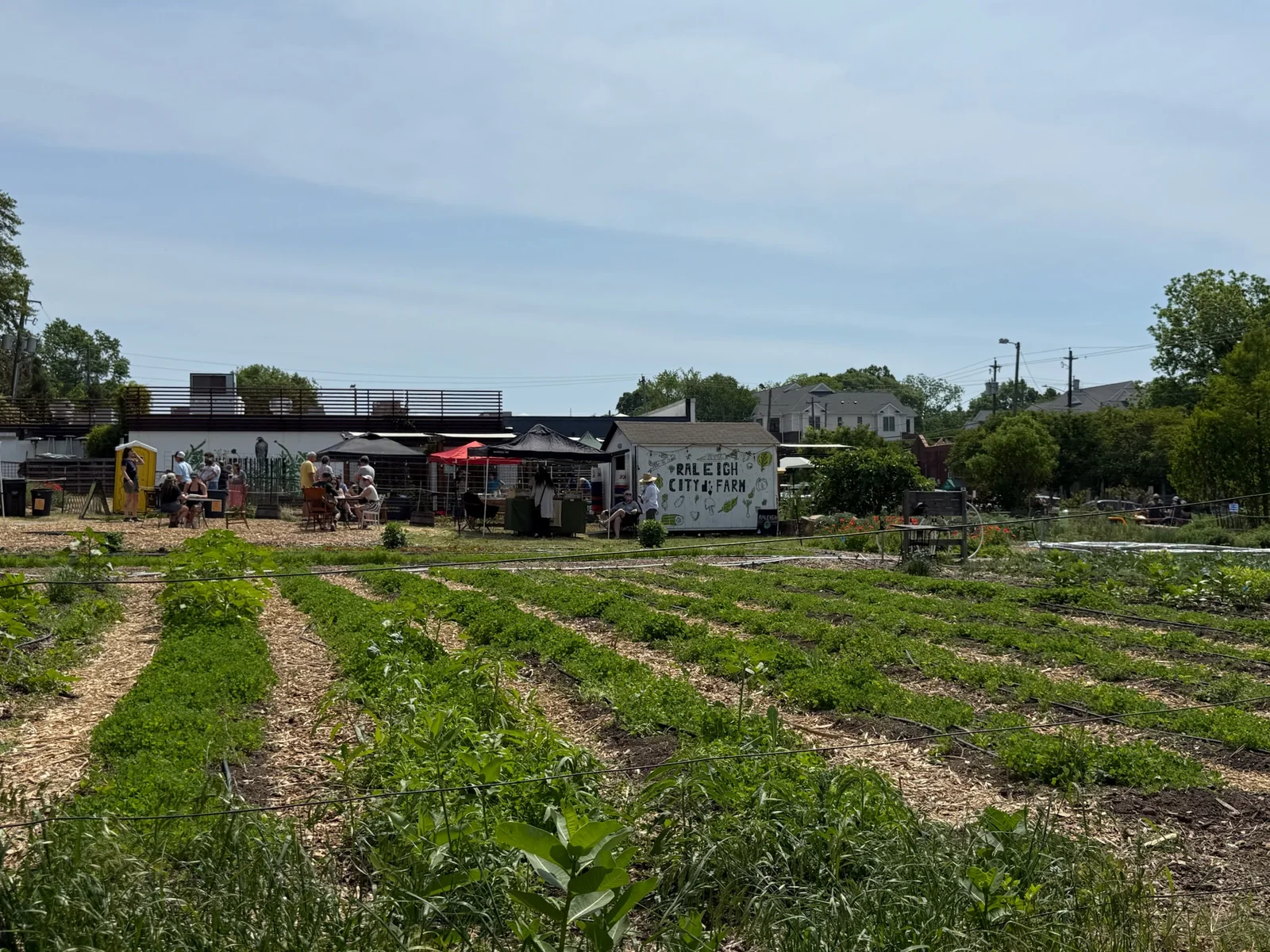
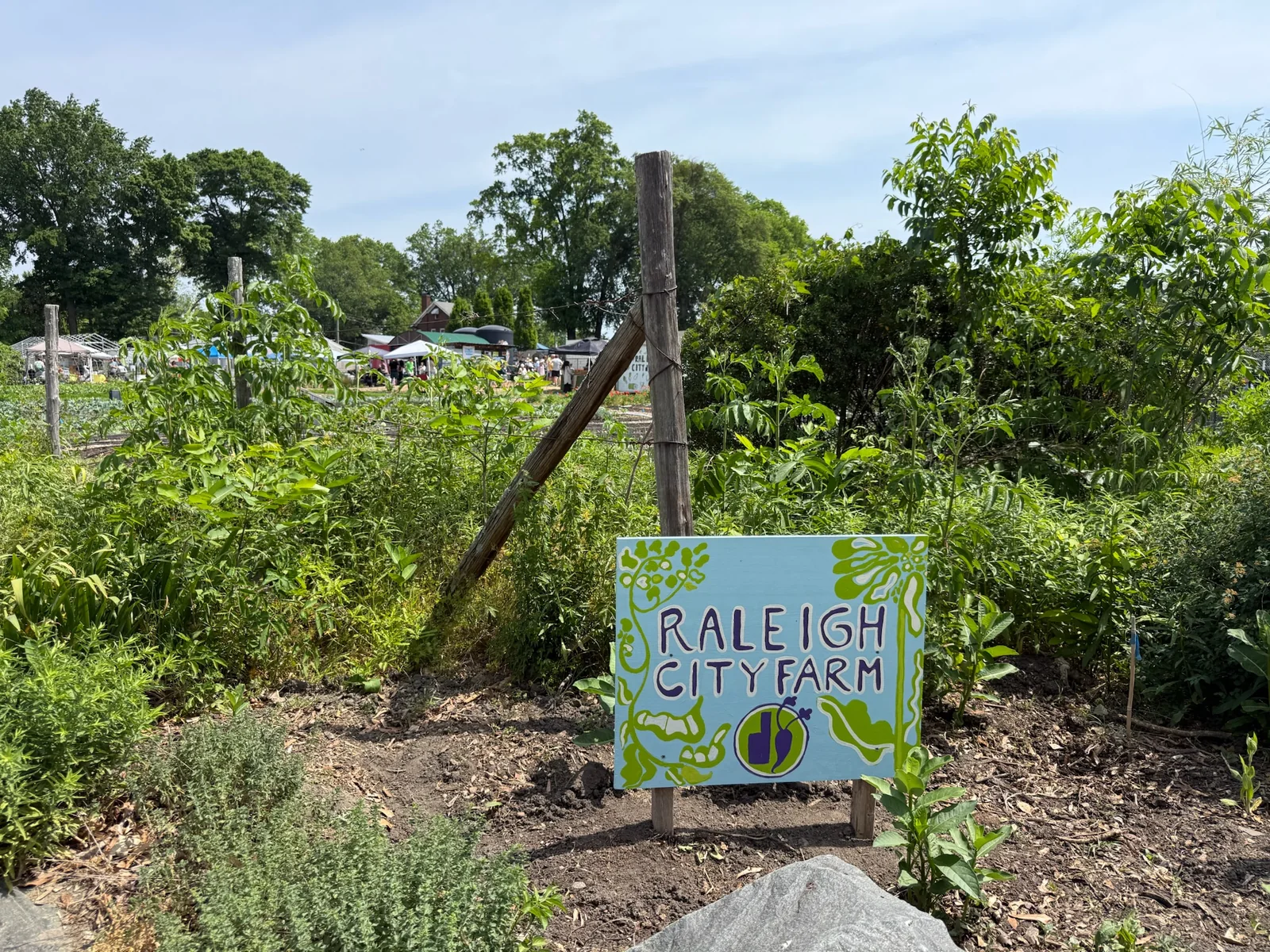
The day before, Daniel and I had gone to Raleigh City Farm’s 15th Bearthday celebration. I volunteered at the event, and Daniel walked through the farm and vendors before it started. There was live music, and local chefs cooked meals using food grown on the farm. It ended up being the perfect lead-in: one day at an urban farm right in Raleigh, followed by a Sunday spent driving through the Piedmont to see farms operating on a larger and very different scale.
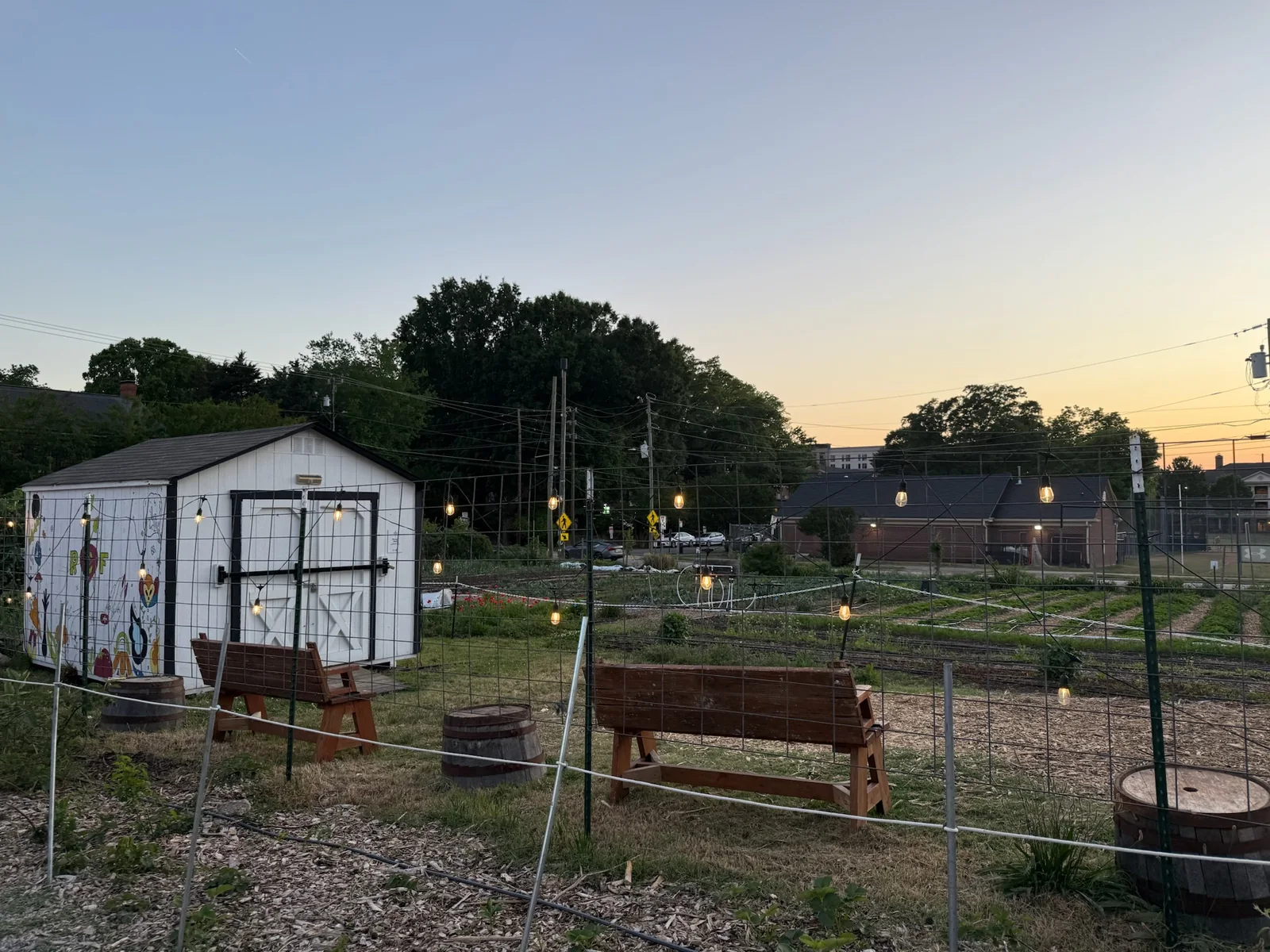
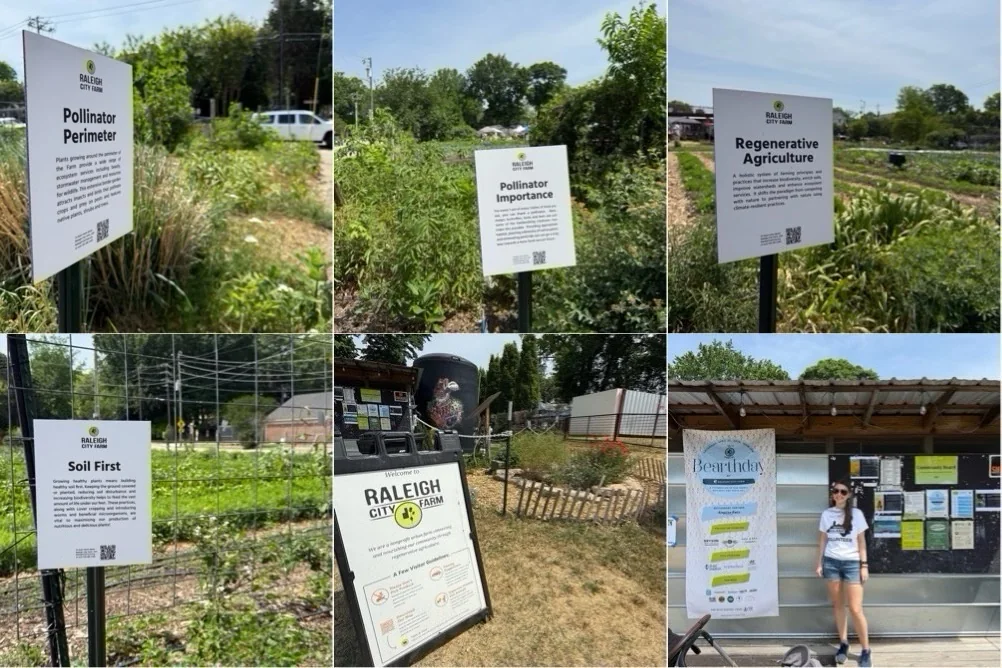
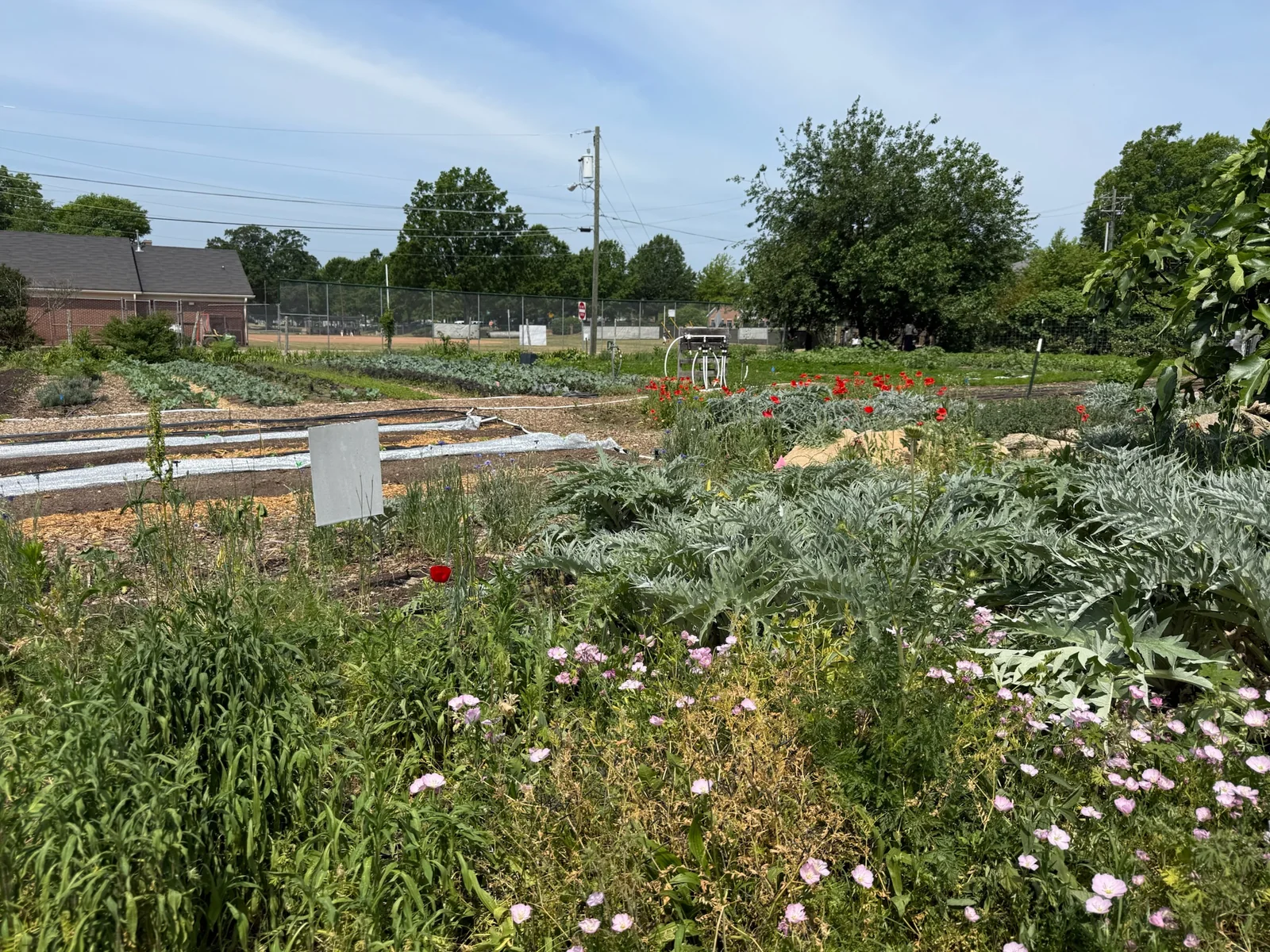
So on Sunday morning, Angelika, her boyfriend Tegan, and I left Raleigh around 11 a.m. with a route planned around three things we really wanted to see: mushrooms, goats, and strawberries.
We ended up visiting five farms:
- Haw River Mushrooms
- Green Heal Farms
- The Inn at Celebrity Dairy
- Chatham Oaks Farm
- Little Pond Gardens at The Plant
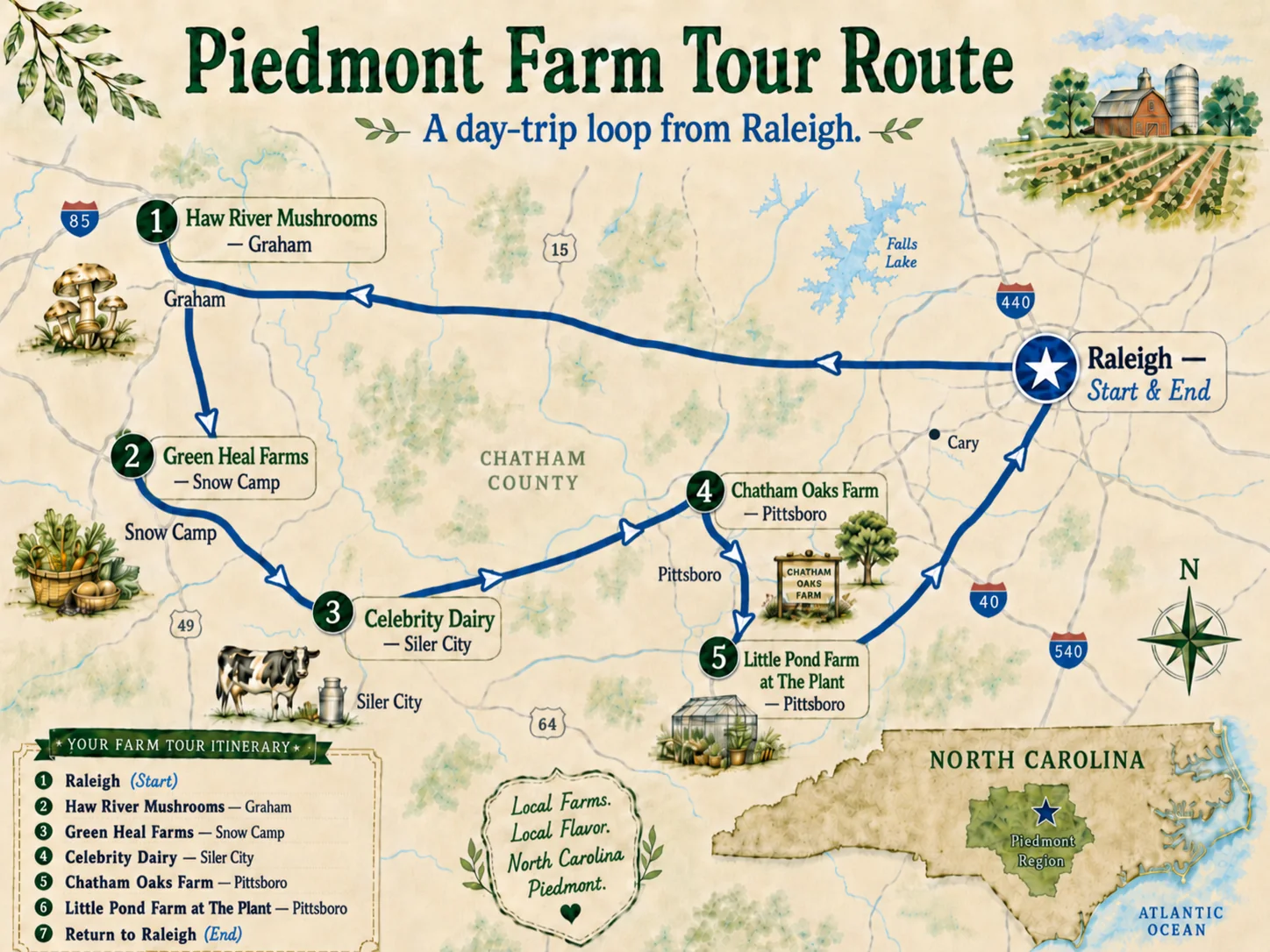
We got back to Raleigh around 6:30 p.m., tired in the good way, with strawberries, goat cheese, mushroom coffee, and a much better sense of what local agriculture looks like when you get out of the grocery store and onto the farms themselves.
What is the Piedmont Farm Tour?
The Piedmont Farm Tour is an annual spring farm tour hosted by the Carolina Farm Stewardship Association and Weaver Street Market. Farms across the North Carolina Piedmont open their gates for visitors, with each stop offering a different look at local agriculture.
Some farms are focused on produce. Some have animals. Some are growing mushrooms, flowers, berries, or trees. Some offer guided tours, food, farm stands, or activities for kids. The point is not to do everything. The point is to build your own route based on what you are most curious about.
For us, that meant choosing a loop that would let us see mushroom farming, goats, strawberries, and a few different approaches to sustainable and regenerative agriculture without backtracking too much.
It was our first year going, and I can already see why people make a tradition out of it.
Starting with Haw River Mushrooms
Our first stop was Haw River Mushrooms, and I am glad we started there because mushroom farming is so different from the kind of farming most people picture.
Instead of open fields, the visit took us through a much more controlled growing process: substrate preparation, growing rooms, and the kind of careful indoor operation that makes mushrooms feel almost halfway between farming and science. We toured the full process, from how the substrate is made to how the mushrooms are grown, with owners and growers Ches and Laura Stewart. Laura gave us the tour, while Ches was helping cook all the mushroom dishes people were sampling that day.
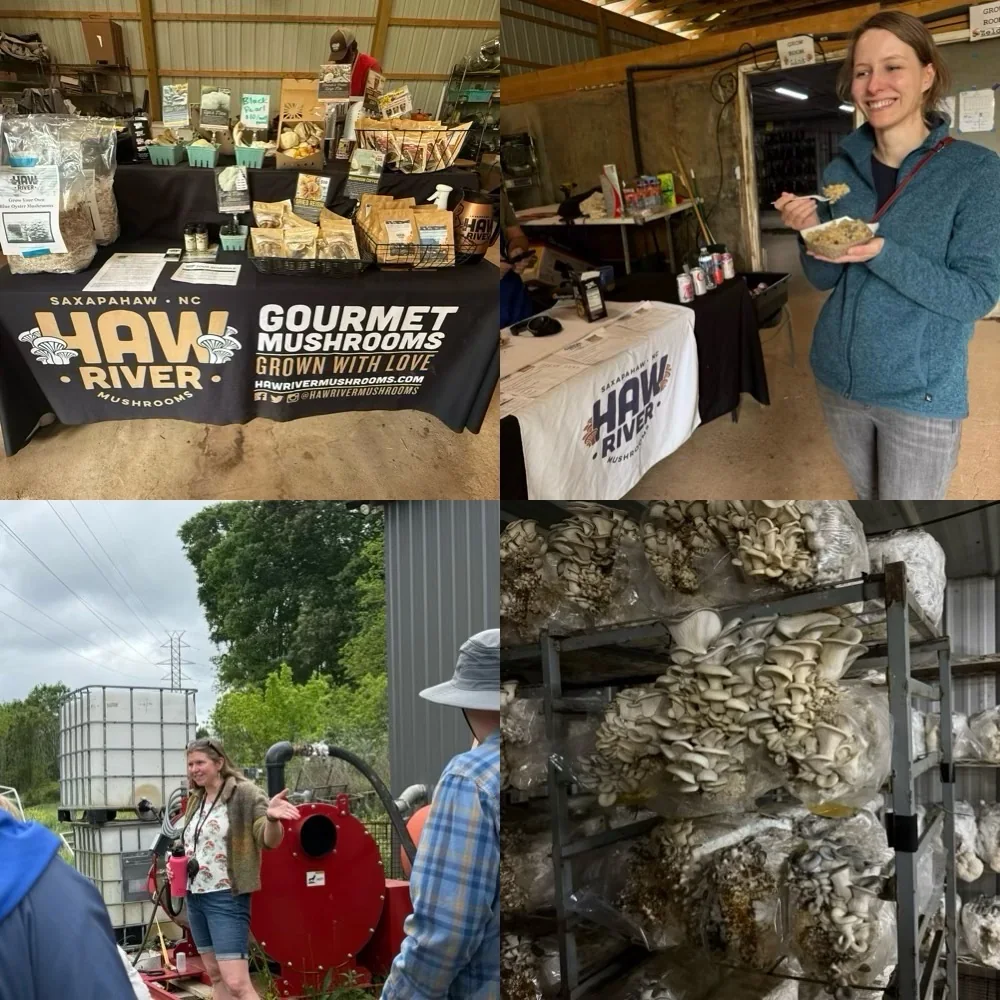
One of the things that stuck with me most was how intentionally local their inputs were. They use materials from a local sawmill and soybean farmers for the substrate they grow the mushrooms in, which made the whole operation feel more connected to the surrounding agricultural community than I expected.
It was also sobering to hear how much pressure small farms are under right now. Haw River Mushrooms had cut their staff from 26 to 6. They had become more efficient and had only cut production by about half despite having a much smaller team, but it was still a very real reminder that local food does not just magically appear at farmers markets and restaurants. There are people behind it making hard business decisions, adapting constantly, and trying to keep the farm going.
That was one of the bigger themes of the day for me. The tour was fun, and there were baby goats and strawberries and good food, but it was also educational in a way that felt important.
At Haw River, we tried mushroom coffee, mushroom risotto, and an oyster mushroom grilled cheese. We also bought a handmade card and some mushroom coffee to take home.
I would highly recommend making Haw River Mushrooms a stop if they are on the tour again. It was one of the most interesting farms we visited because it showed a side of farming that many people do not get to see.
Strawberries and high tunnels at Green Heal Farms
From there, we went to Green Heal Farms.
This was one of our shorter stops, but it added a helpful contrast to Haw River. Green Heal is a smaller farm, and we walked through the strawberry patch and high tunnel system while talking with the farm’s owners and operators, Kenny Boodman and Courtney Martin.
They told us they had started in the restaurant business and eventually moved toward growing their own food so they could cook with ingredients they cared about and build something on their own terms. The farm is on inherited family land, which gave it a different starting point from some of the first-generation farming stories we heard later in the day.
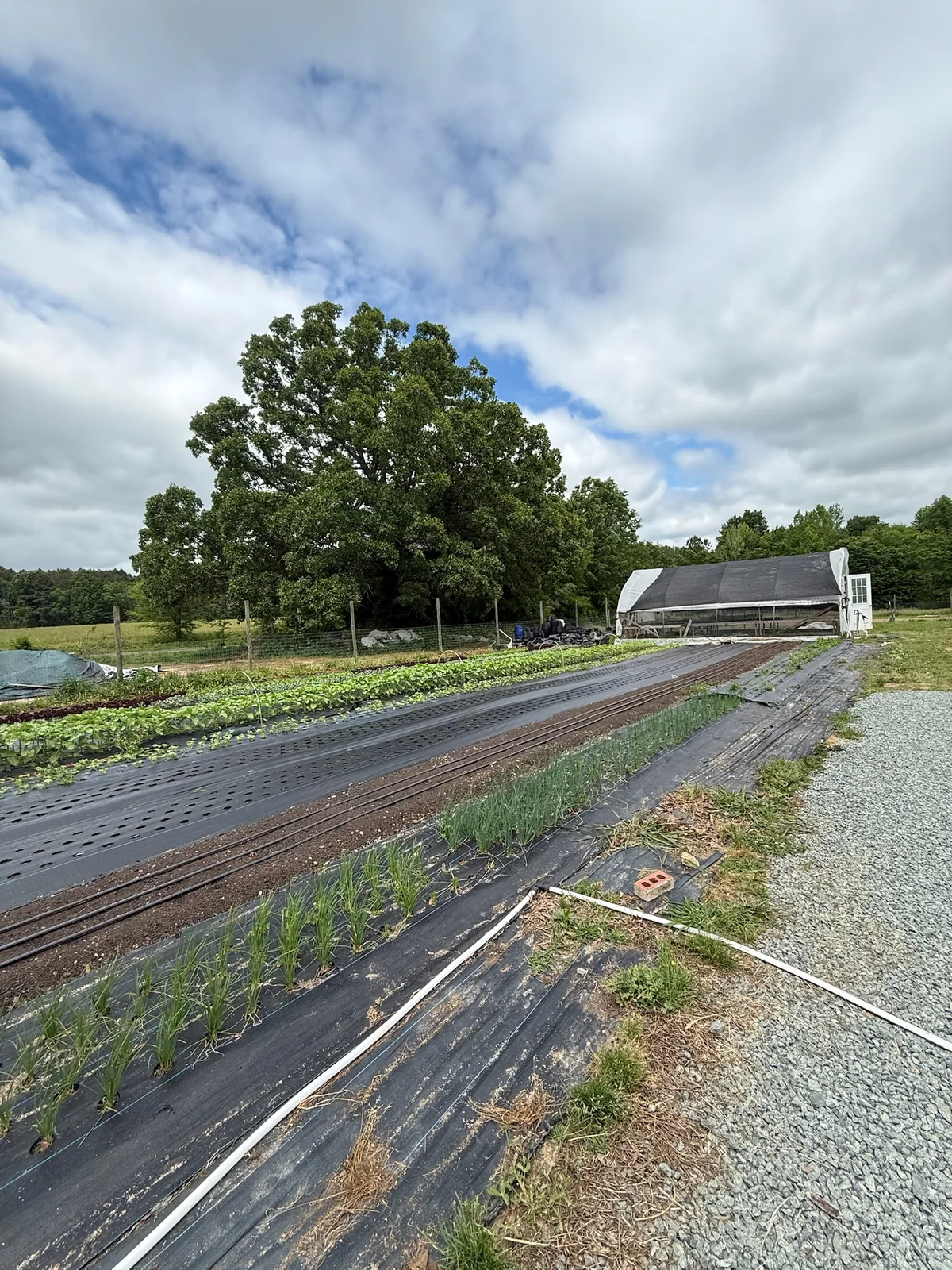
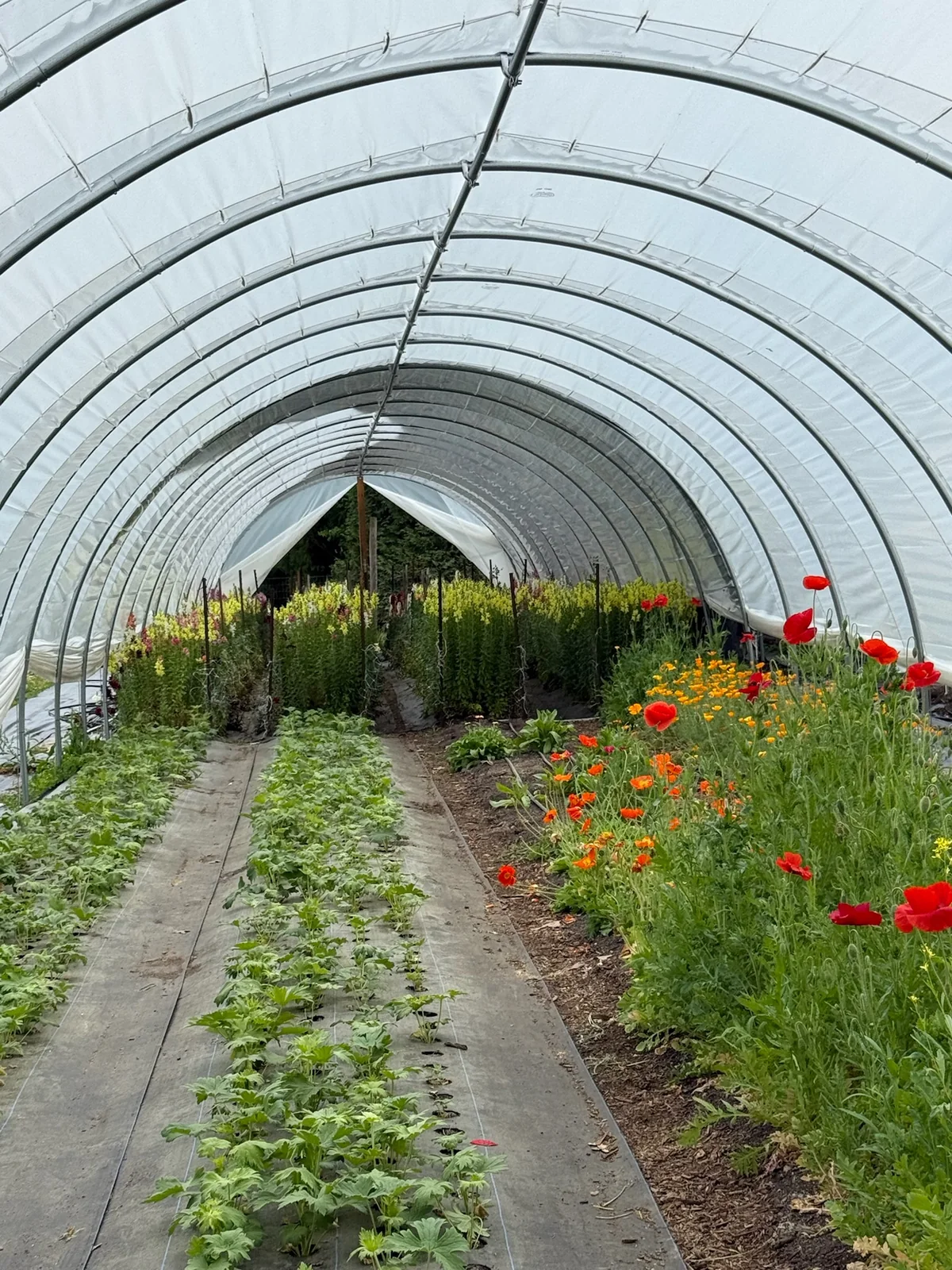
That contrast was interesting. Green Heal had family land to build from. Chatham Oaks, which we visited later, was being built by first-generation farmers who were still working day jobs while running the farm on the side. Both stories made the work feel real, but in different ways.
Green Heal was also one of the places where we saw micro-irrigation being used for water conservation. Across the day, that was one of the recurring themes: farmers trying to use resources carefully, keep inputs local where possible, and make sustainable choices while still dealing with the practical realities of running a business.
Angelika bought fresh-cut flowers here, and we tasted strawberries that were sweet, ripe, and exactly what you hope strawberries taste like in season.
Baby goats and goat cheese at The Inn at Celebrity Dairy
Next, we went to The Inn at Celebrity Dairy, which was the goat stop.
This one had a very different feel from the mushroom farm and the produce farms. There was the long gravel road in, the smell of hay and animals, and the shoe-cleaning step before going back to see and pet the goats.
The baby goats were, unsurprisingly, a highlight. We got to spend time with them and learn more about how the dairy raises goats and makes cheese and goat milk ice cream.
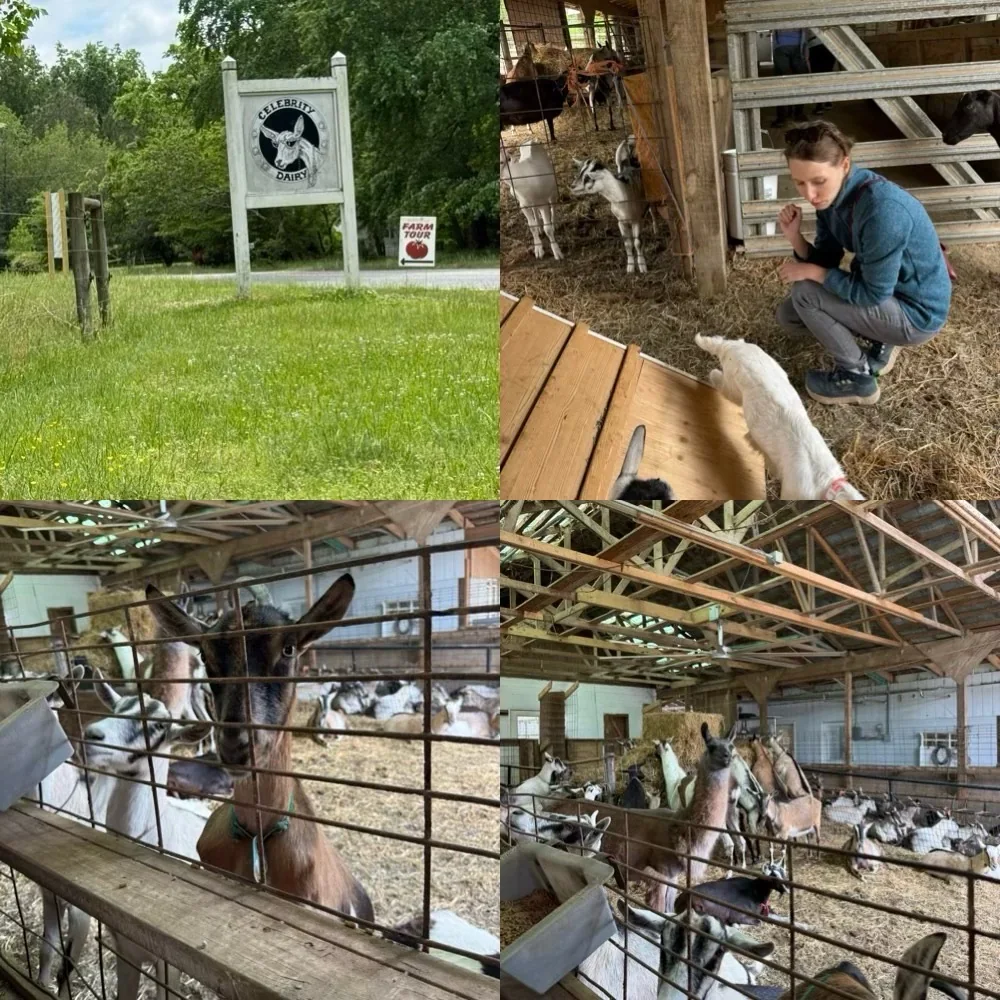
This stop felt especially easy to recommend for families or anyone who wants the classic animal-farm experience. It was also just fun. Not every part of the day needed to be deeply educational; sometimes the memorable part is standing around with friends, laughing at baby goats, and accepting that your shoes are going to come home a little farmier than they left.
We bought goat cheese spread before leaving. Mine was strawberry, and Daniel and I finished it the next day.
Would I make it a must-repeat stop for myself? Probably not every year. But I am glad we went, and I think it would be a great first-time stop, especially if you are bringing kids or want animals to be part of your route.
Chatham Oaks Farm was the stop I would plan around again
Chatham Oaks Farm was one of my favorite stops of the day.
We spoke with one of the owners, Rachel Clark, who gave us our tour while Justin Clark was helping another group. Rachel told us about the farm, their new barn, the work that goes into protecting strawberries from freezing, and how they pick berries for farmers markets. One detail I loved was the berry-picking contraption they use: something they can lay down on and pedal through the field while picking. It was such a specific, practical glimpse into the physical reality of farm work.
This was also the stop where the first-generation farmer story really came through. Rachel and Justin Clark are still working day jobs while running the farm on the side, which made everything we were seeing feel even more impressive. It is one thing to enjoy a strawberry field as a visitor. It is another to think about the hours behind it: covering the berries, irrigating to protect them from frost, picking for market, building out a barn, planning farm dinners, and trying to grow the business into something sustainable.
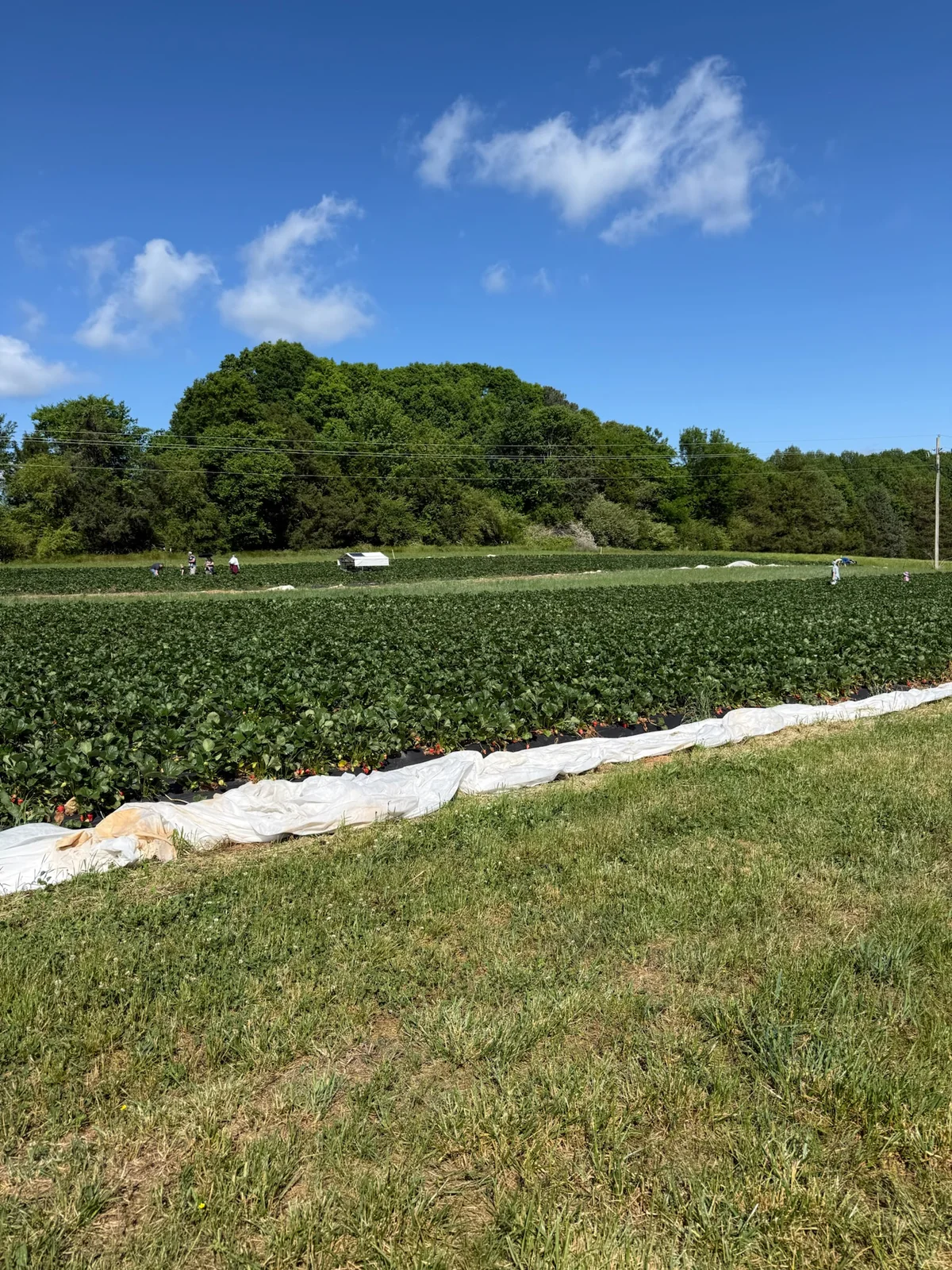
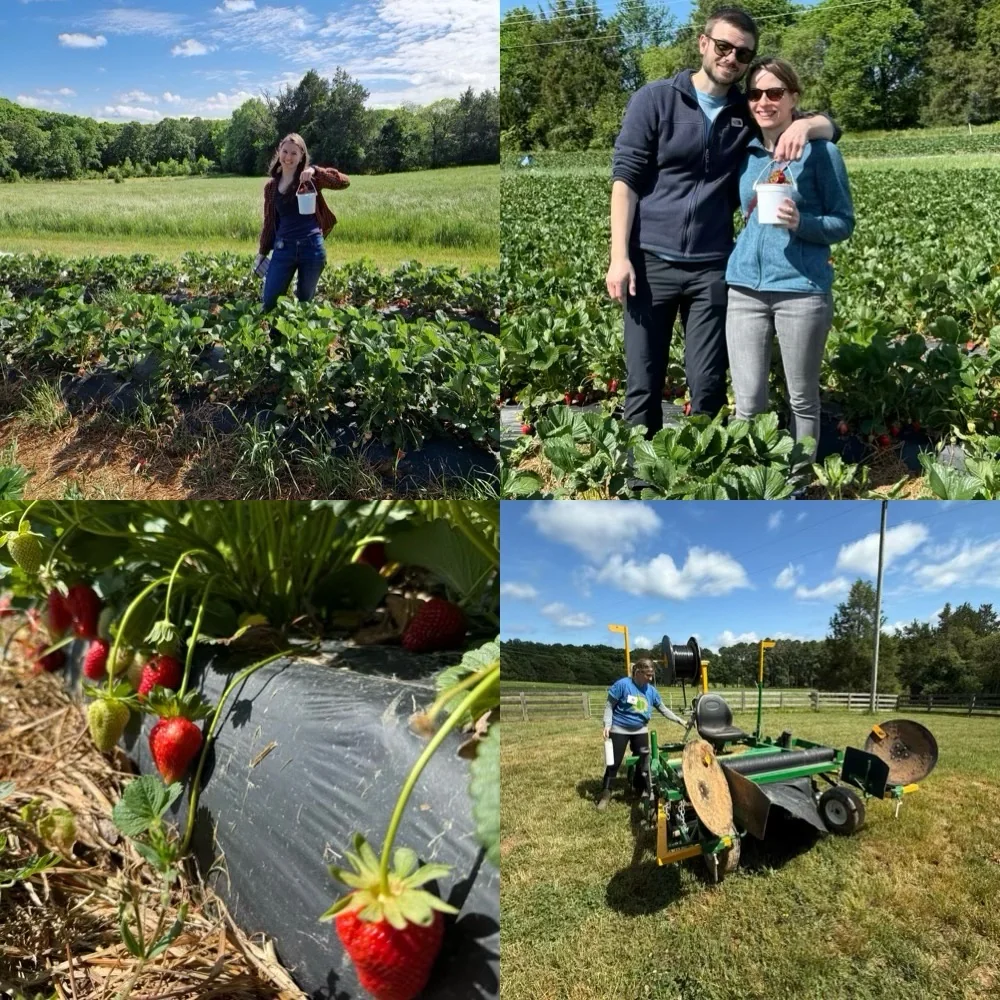
We picked a pint of strawberries here for $5, and they were wonderful. Sweet, ripe, and very clearly in season.
The new barn also stood out. They are turning it into an event space, and we learned about their strawberry dinners, which immediately sounded like the kind of thing I would come back for.
If I were planning this tour again, Chatham Oaks would be one of my anchor stops.
Ending at Little Pond Gardens and The Plant
Our last stop was Little Pond Gardens at The Plant.
There, we saw blueberries, onions, garlic, blackberries, pear trees, and apple trees. Little Pond Gardens is a sustainable farm located at The Plant, an old aluminum plant that has been repurposed into a food and beverage campus. Around the fields, they have pollinator gardens and native plants, and they encourage conservation by building permanent, perennial beds. Across the project, there is a mix of perennial gardens, fenced-in fields for annual vegetable production, and businesses using products grown on site to make things like mead, cider, and food from the restaurant. They also had a tree museum in the early stages, meant to showcase North Carolina trees.
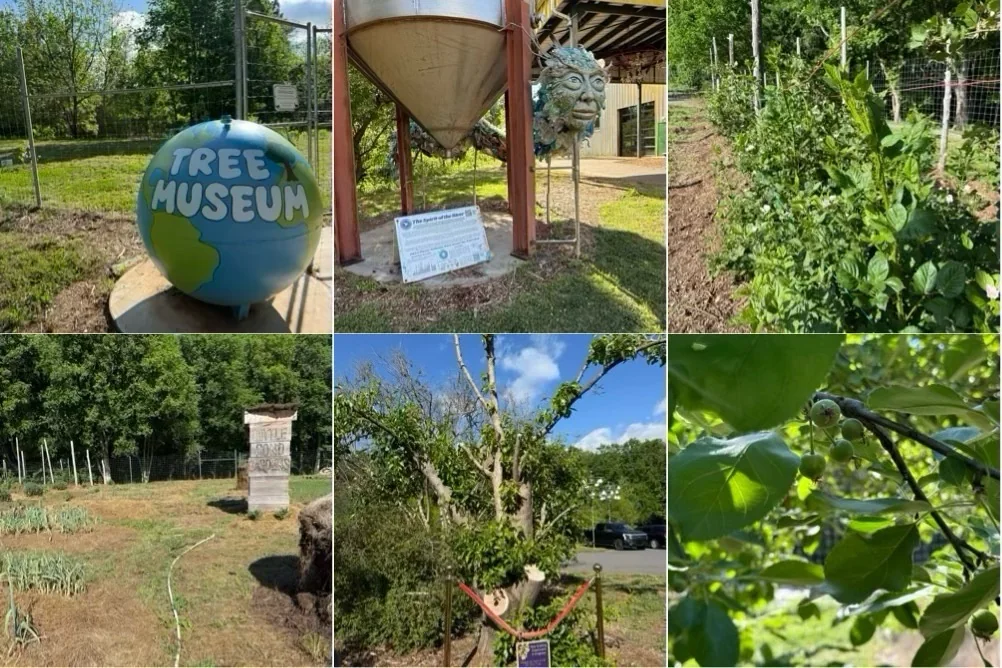
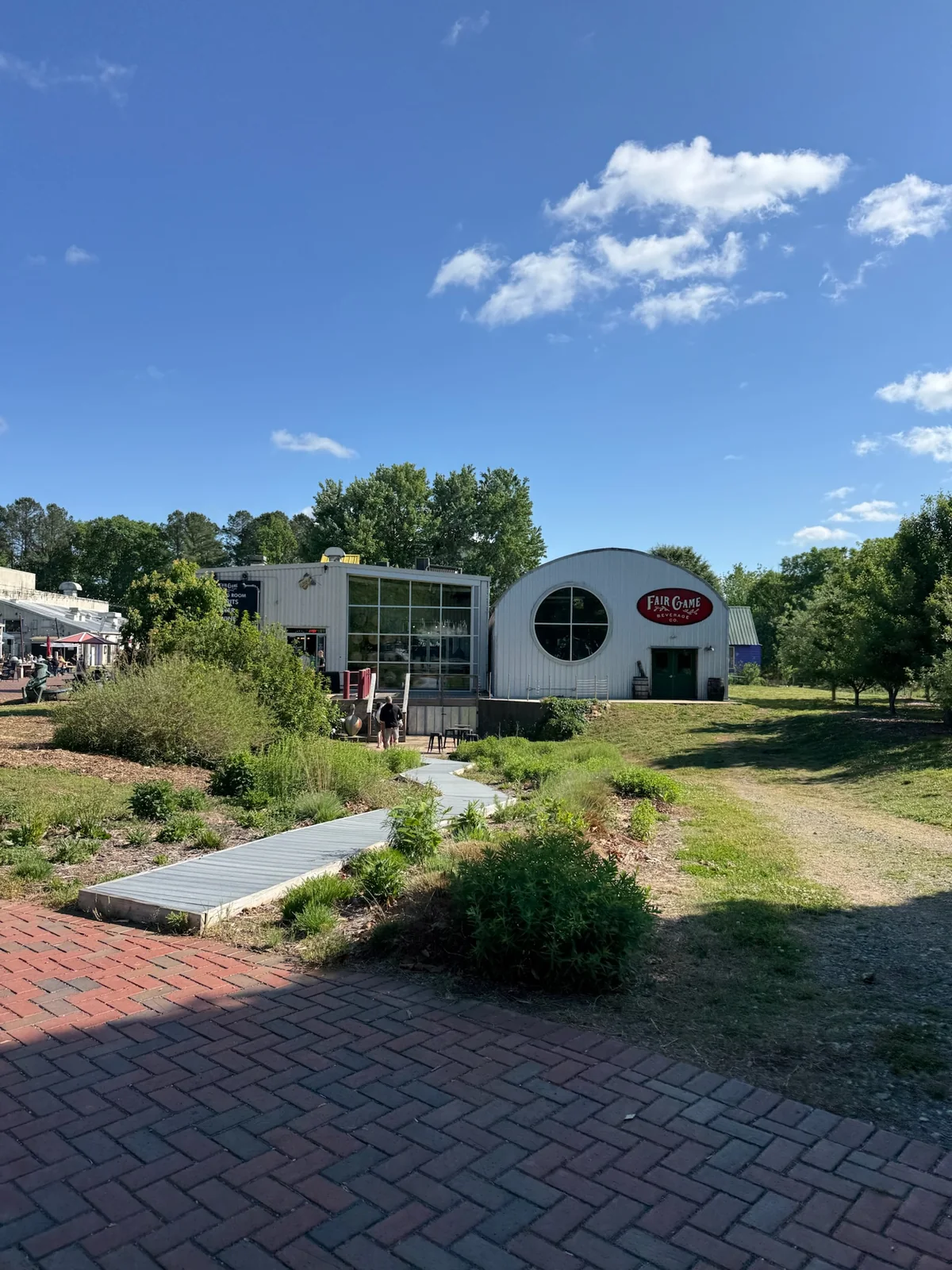
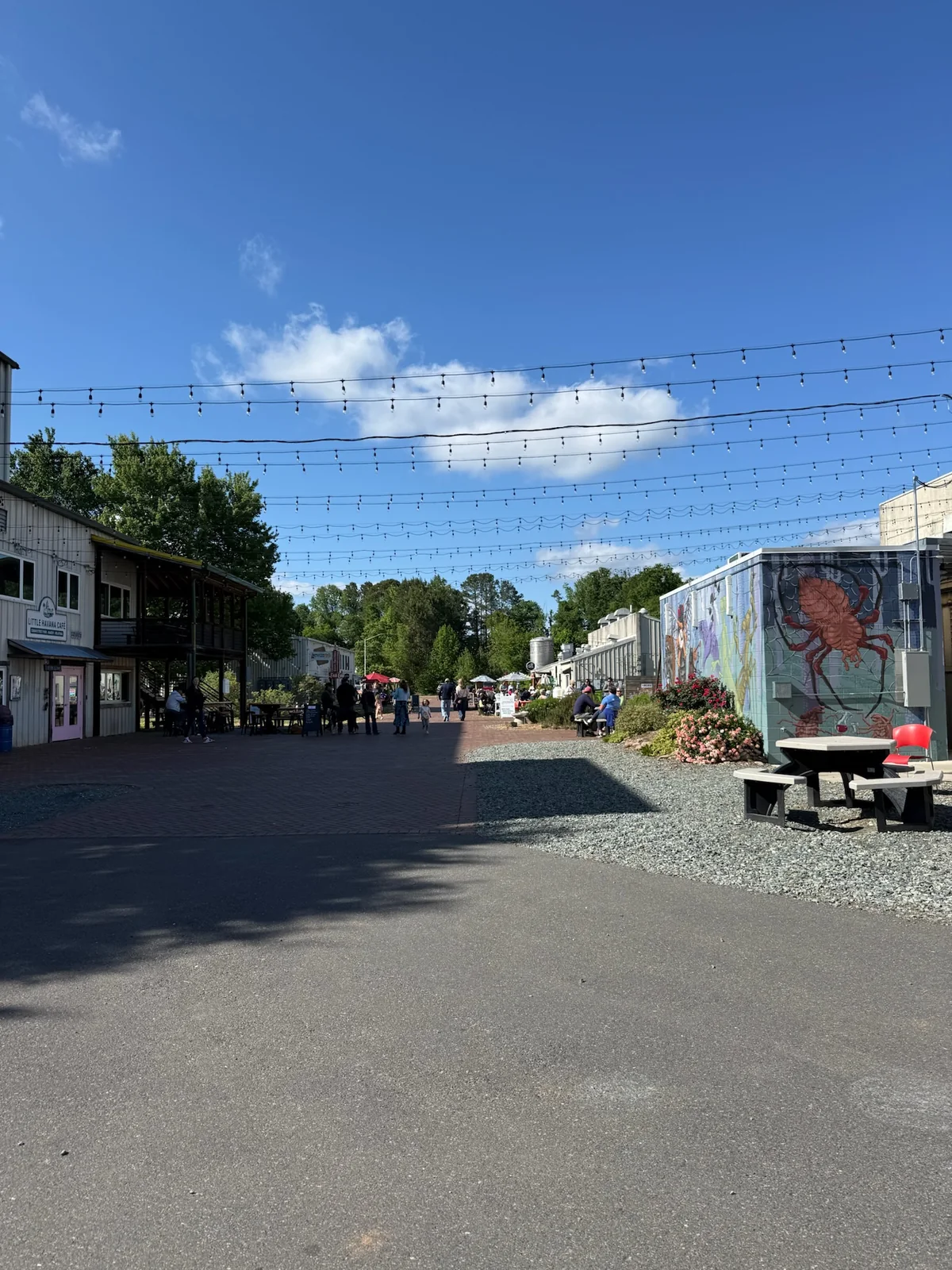
By this point in the day, we had already done mushrooms, strawberries, goats, and a lot of farm walking, so this stop felt more like an end-of-day wander than a major highlight. We got a pastry from Little Havana at The Plant and jerk chicken from Kingston 99 Kitchen, which made it a good final stop for food before heading back to Raleigh. It would also be a great place to start the day with lunch or end the tour with a drink on the pavers.
What the day taught us about local food
For me, the Piedmont Farm Tour was less about being surprised by where food comes from and more about seeing ideas I already care about in practice.
I have worked around sustainability and agriculture-related issues, so I came in with some familiarity. But it was still valuable to see the actual farms and talk with the people doing the work.
I think we all came away with a much clearer understanding of how hard farming is, especially for small farms and first-generation farmers. It is not just planting something and waiting for it to grow. It is infrastructure, labor, water, weather, markets, restaurants, farmers markets, soil, animals, timing, equipment, and business pressure all stacked together.
The farms we visited were not all the same, but they shared a few values that stood out:
- using water carefully, including micro-irrigation at Chatham Oaks and Green Heal
- sourcing inputs locally when possible, like Haw River’s mushroom substrate materials
- selling through farmers markets and local restaurants
- keeping food connected to the region where it is grown
- practicing sustainable or regenerative agriculture as best they could within the realities of running a farm
That last part matters. It can be easy to talk about local food in a polished way from a distance. It feels different when you are standing in a strawberry field hearing about frost protection, or walking through a mushroom operation that has had to dramatically shrink its staff, or talking to farmers who are still balancing day jobs with farm work.
The day made me want more people to get out and see where their food comes from, not in a guilt-driven way, but because it makes the food feel more meaningful. It also makes the businesses behind it feel more worth supporting.
Practical tips for doing the Piedmont Farm Tour from Raleigh
If you are planning to go from Raleigh, I would absolutely recommend it. It made for a full but very doable Sunday.
We left around 11 a.m., visited five farms, and got home around 6:30 p.m. That felt like the right amount for us, but I would not try to cram in much more than that unless the farms are very close together.
A few practical notes:
Plan your route before you go. We built ours around mushrooms, goats, and strawberries, then tried to avoid backtracking. That worked well.
Four to five farms is probably enough for one day. Our larger stops, especially Haw River Mushrooms and Chatham Oaks, were closer to an hour or an hour and a half. Smaller stops were quicker.
Download Google Maps offline. We lost service in at least one place, and offline maps would be helpful.
Wear closed-toe shoes. You may be walking through fields, gravel, animal areas, or muddy spots.
Bring water. It is a long day, and not every stop is built like a festival with easy amenities everywhere.
Consider sunglasses and sunscreen. Our day started overcast and turned sunny for the last few farms. It stayed in the mid-to-high 60s, which was close to ideal.
Bring a tote or cooler if you plan to buy food. We came home with strawberries, goat cheese, and mushroom coffee.
Build the day around what you actually want to see. If you care about animals, choose animal stops. If you want food and drinks, plan around farms with snack options. If you are interested in local agriculture, choose stops that offer tours or farmer talks.
For our route, I would especially recommend including mushrooms and strawberries if they are available. Mushroom farming is just different enough to feel memorable, and strawberry season is such a good reason to be out on farms in the spring.
Filed under
More from North Carolina

A New Way to Experience Downtown Raleigh: Our Latest VoiceMap Tour
Our latest VoiceMap tour moves through the center of downtown Raleigh, connecting landmarks, murals, green spaces, and overlooked details along a walk from the Convention Center to Union Station.
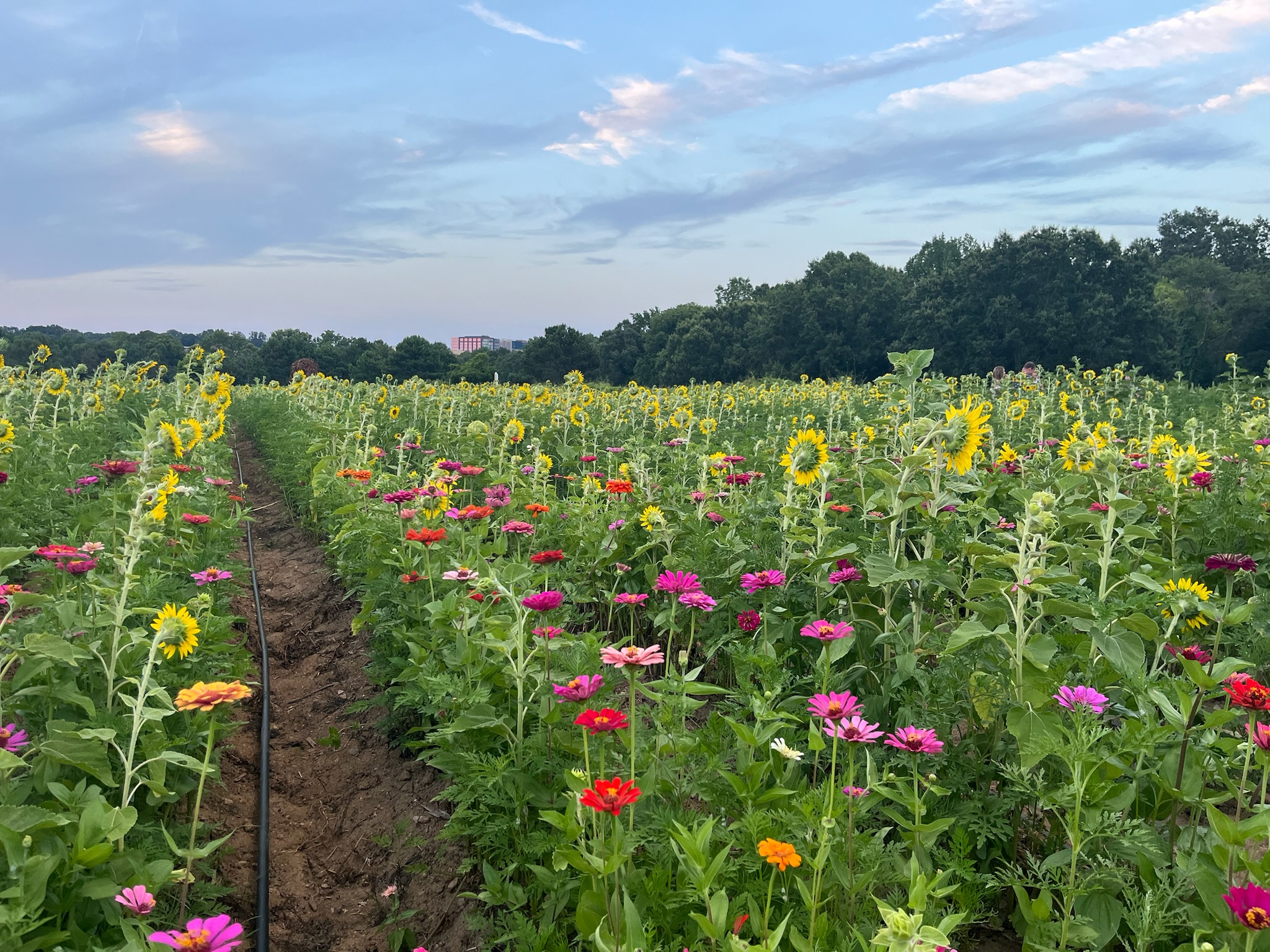
More Than Sunflowers: Why We Keep Coming Back to Raleigh’s Dorothea Dix Park
Sunflowers may get the headline, but Dorothea Dix Park keeps drawing us back for skyline views, trolls, dog-watching, community events, and easy afternoons outside in Raleigh.